
01
Brand book
Brand book development
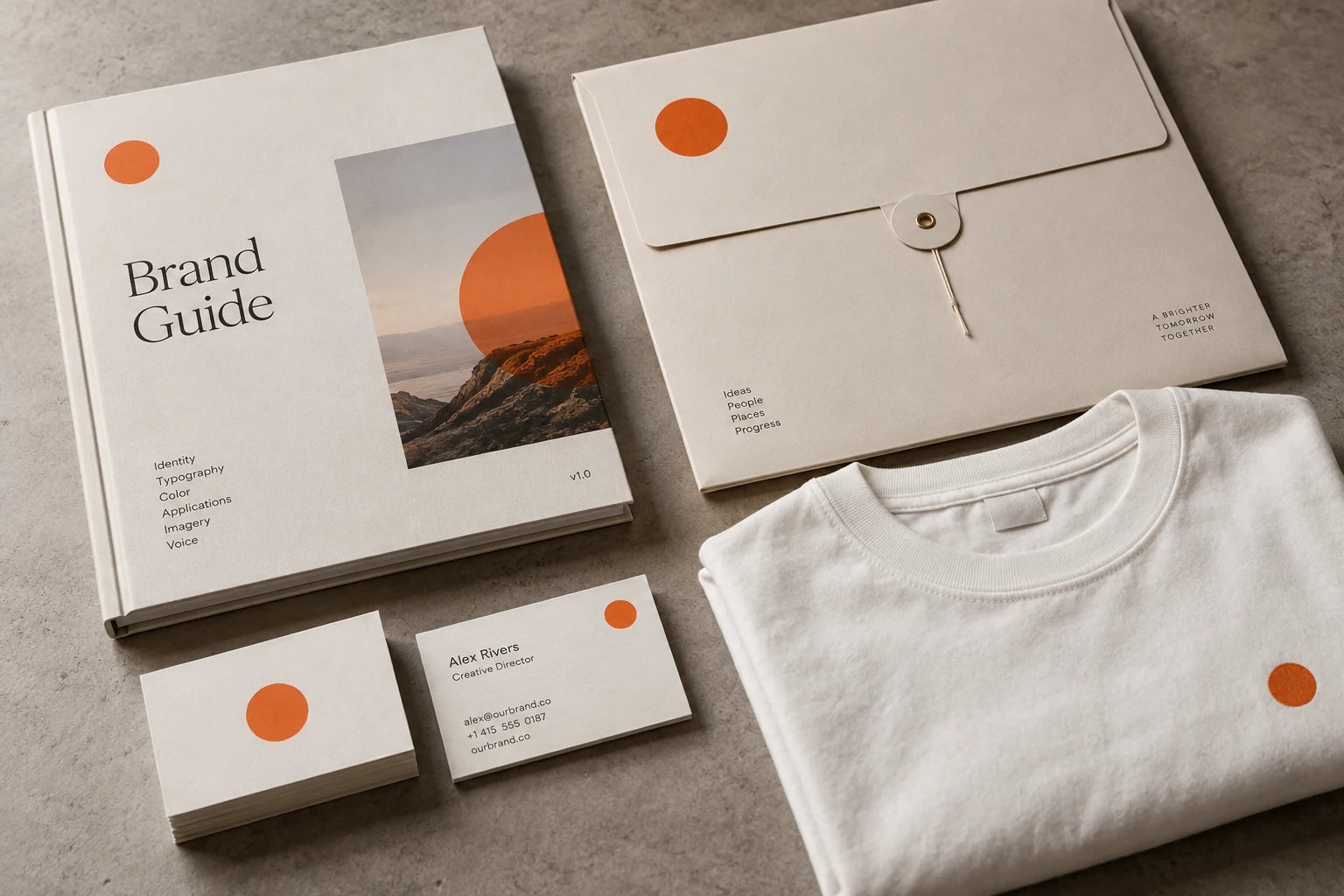
We develop brand books that bring a brand's rules into one system and keep it consistent at every point of contact with customers.
Facts about ZOND
0years
in design
in design
0experts
on the team
on the team
0+brand books
created
created
0+niches
researched
researched
0brands
in the portfolio
in the portfolio
Who can't do without a brand book?
02
Those whose visuals are in chaos
03
Those scaling their business
04
Those working with contractors
What's inside a brand book?
01
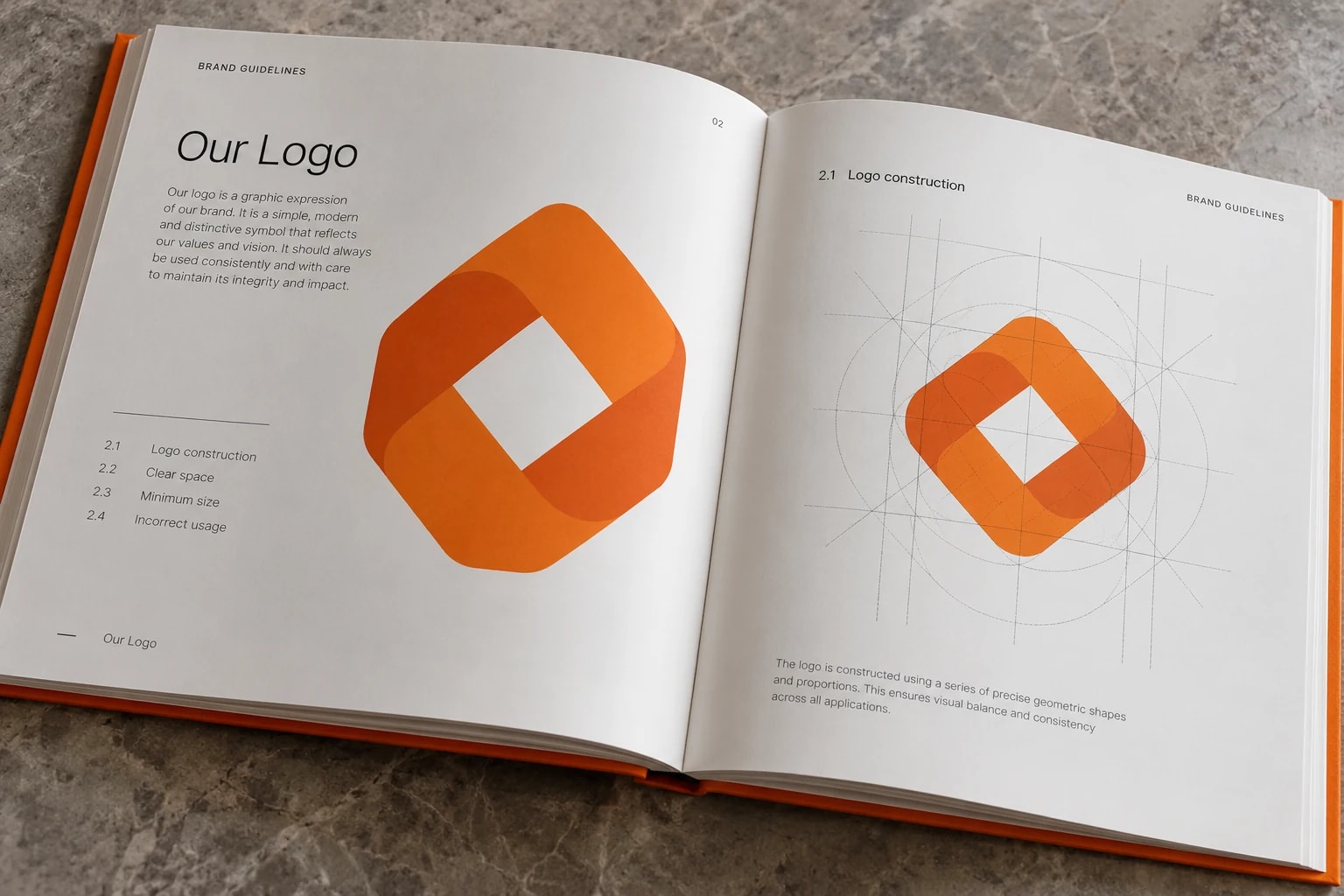
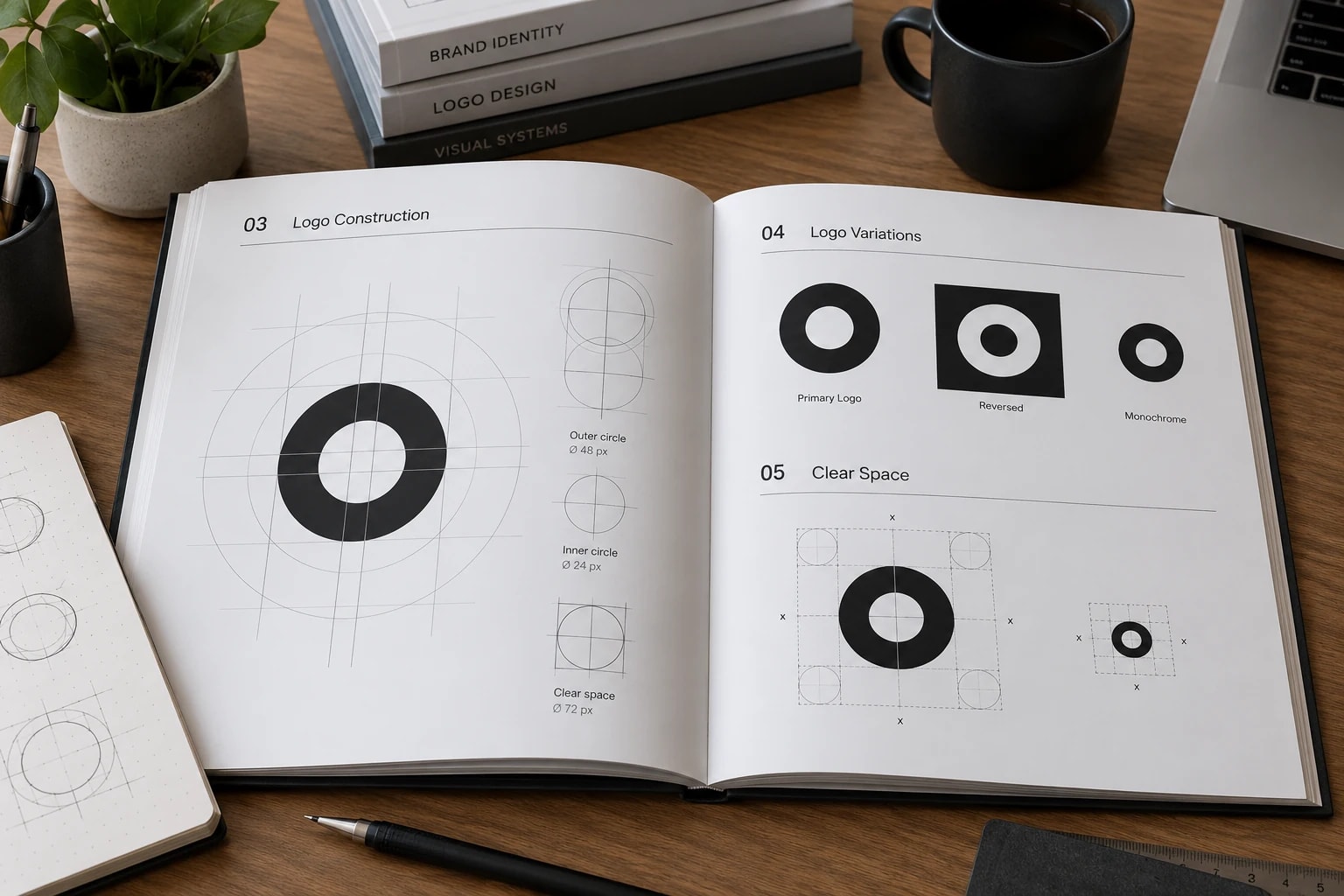
Logo rules
How to use the brand mark correctly on every medium.

02
Brand colors
The palette and the rules for working with brand color.
03
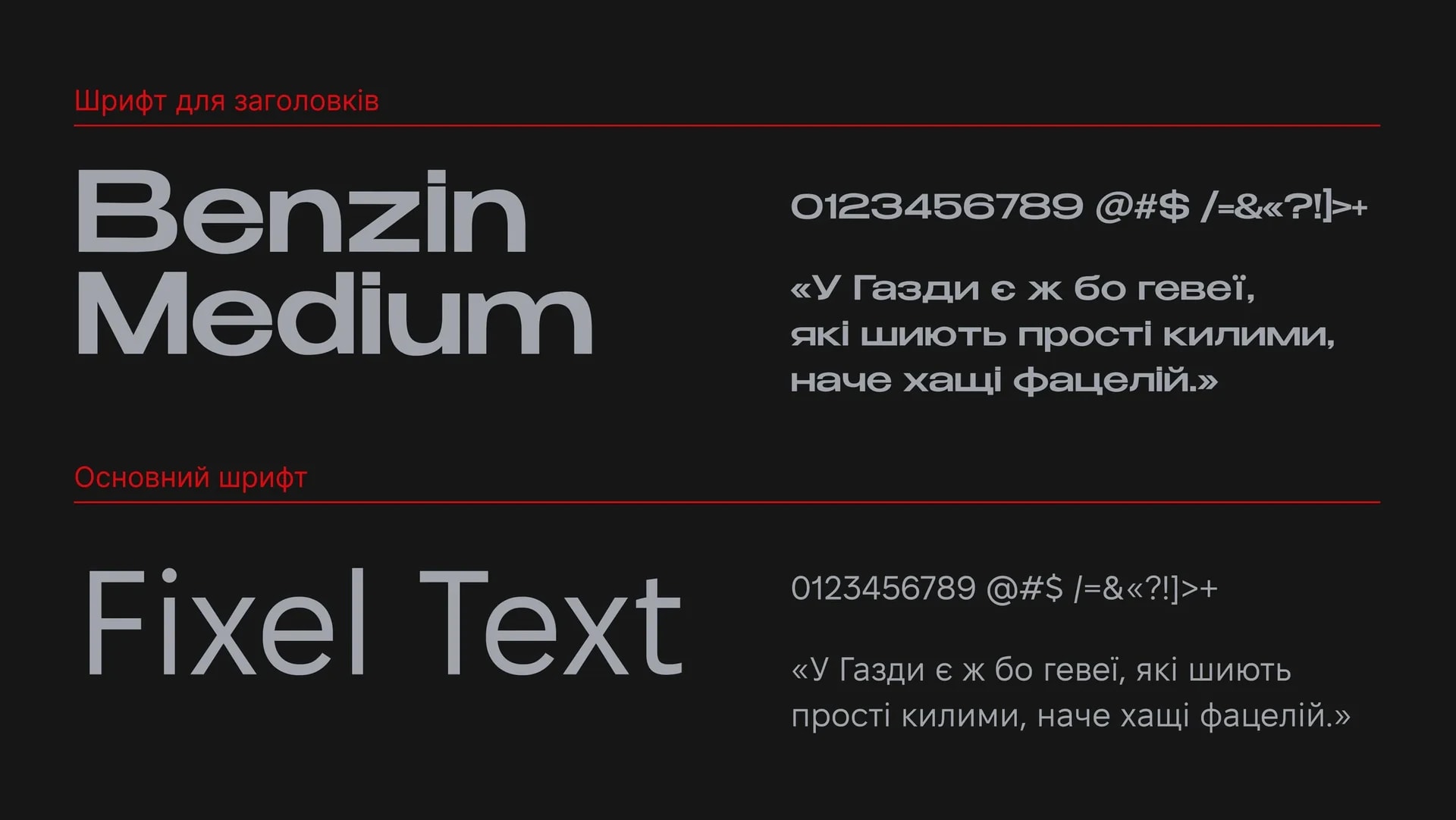
Typography
A font system and text hierarchy for one consistent style.
04
Graphic elements
Rules for using graphics, patterns, and decorative elements.
05
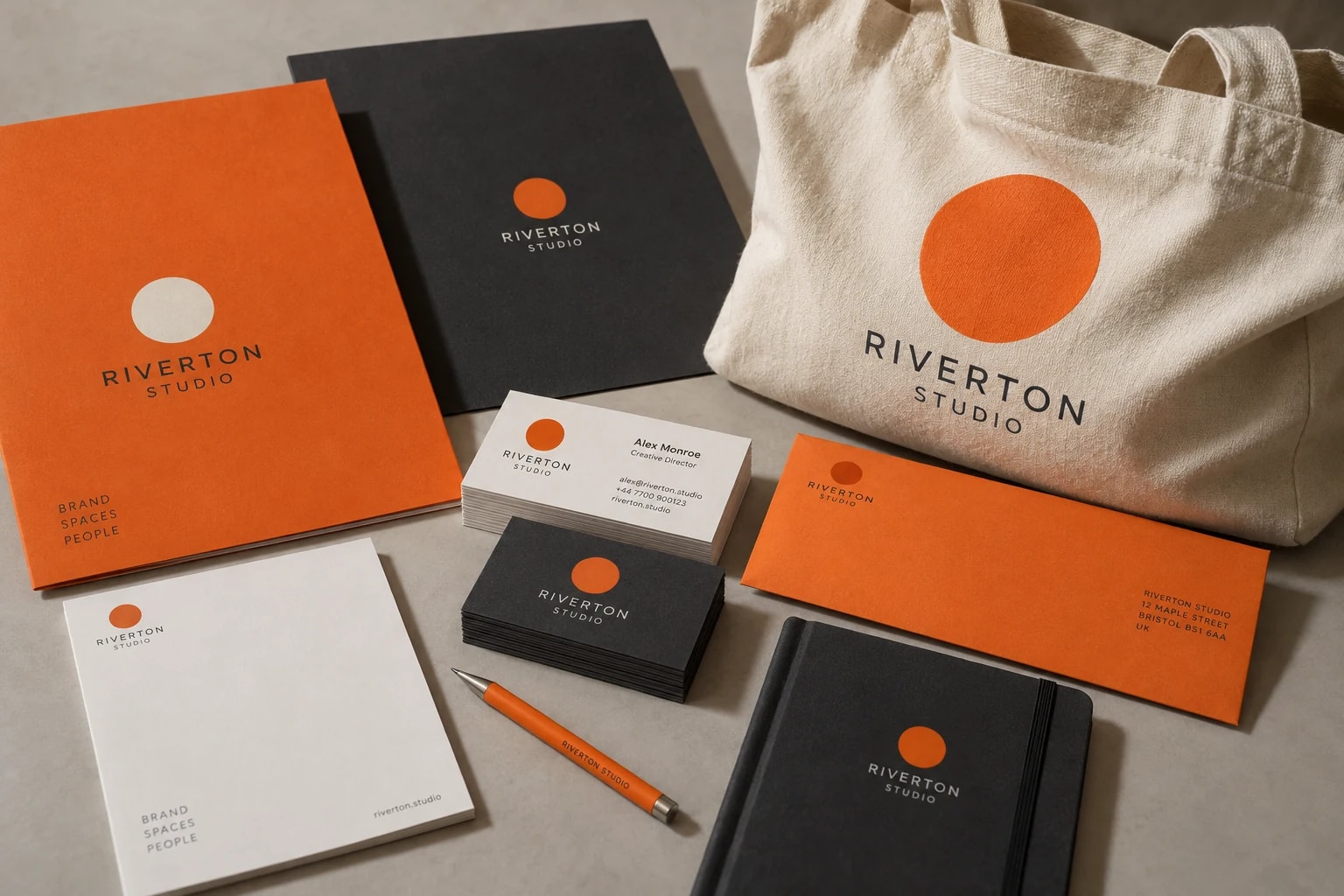
Key media
How to design business cards, letterheads, social media, and other points of contact.
06
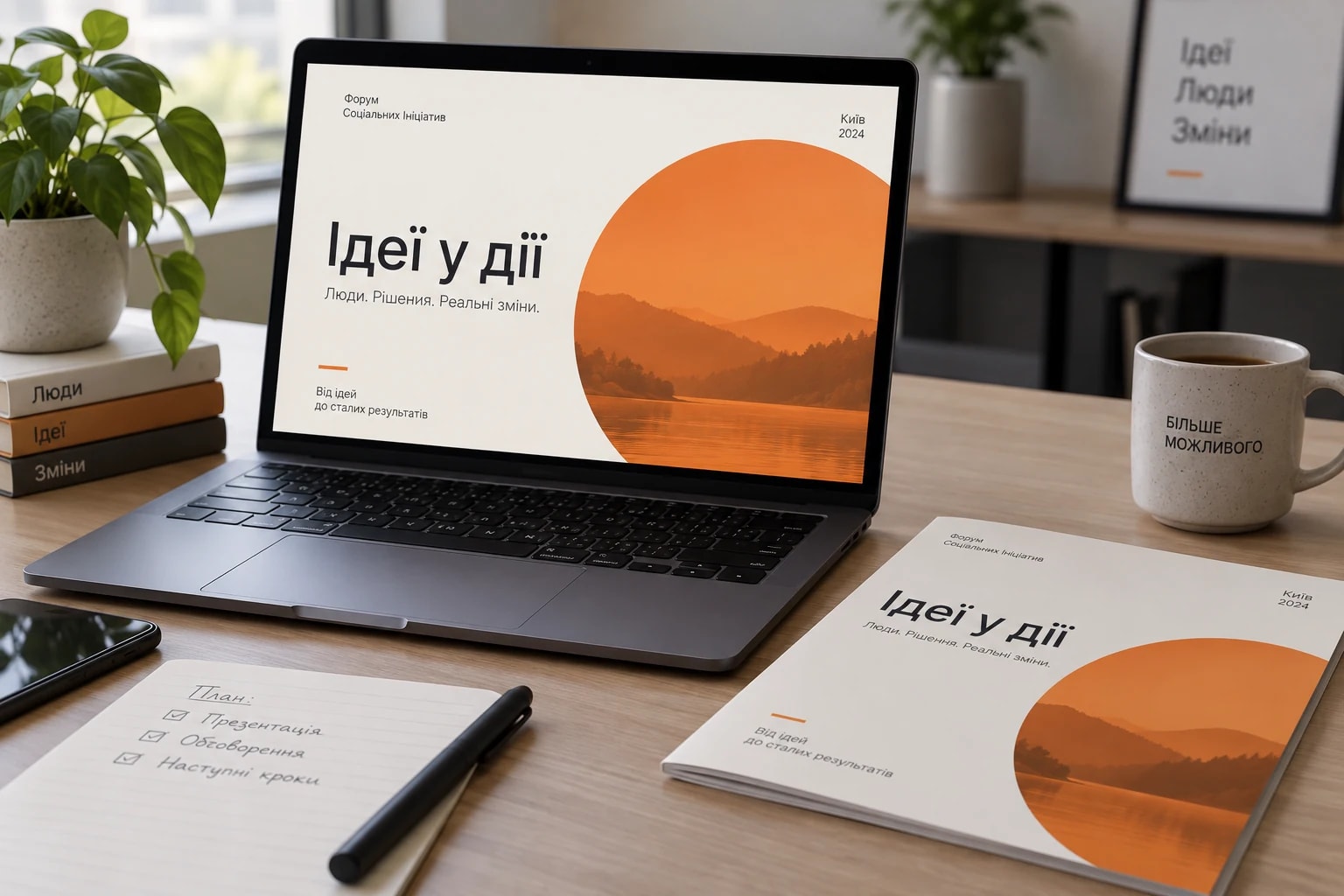
Templates and layouts
Ready-made templates your team can use right away.

07
Working files
An organized set of files for your in-house team and contractors.
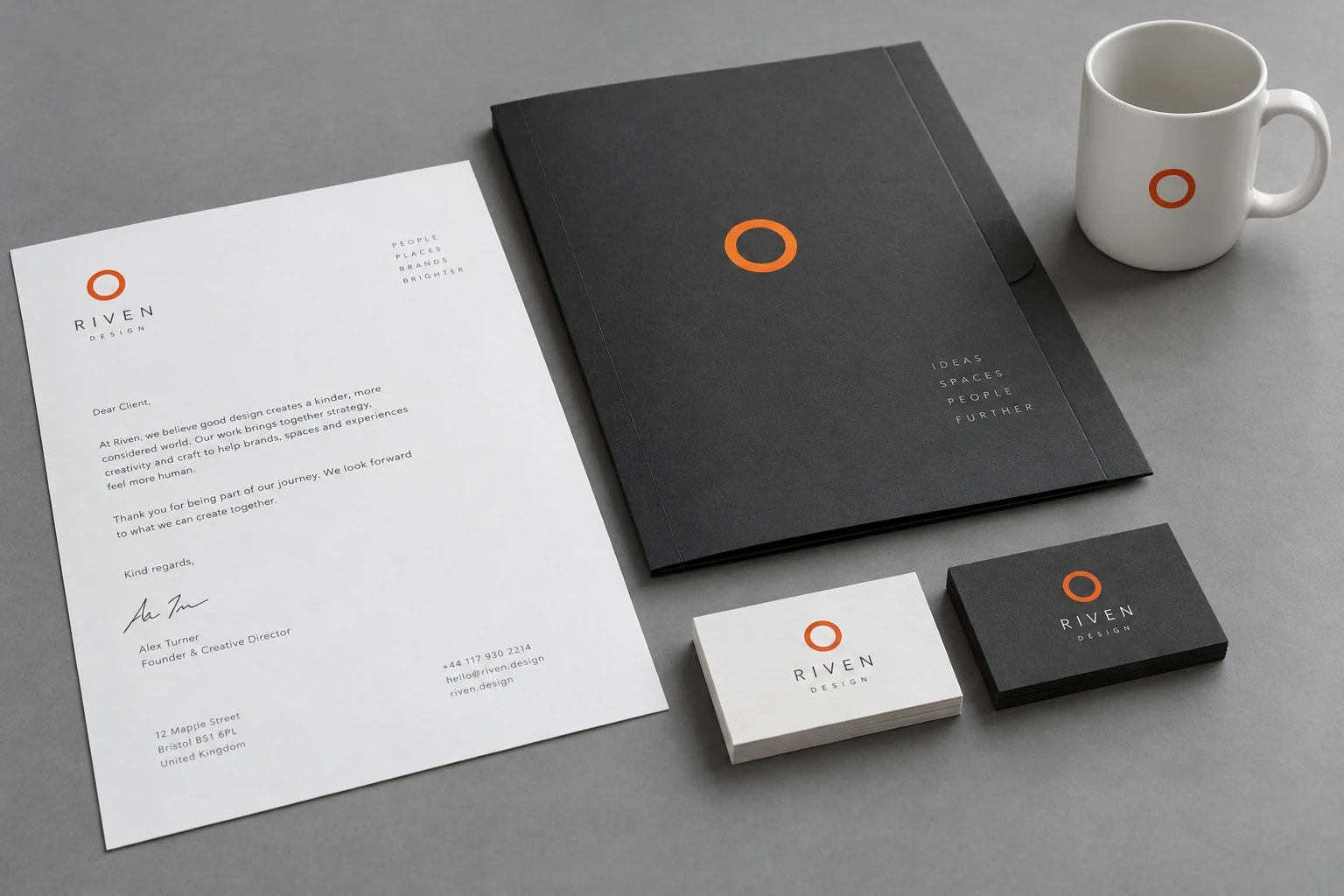
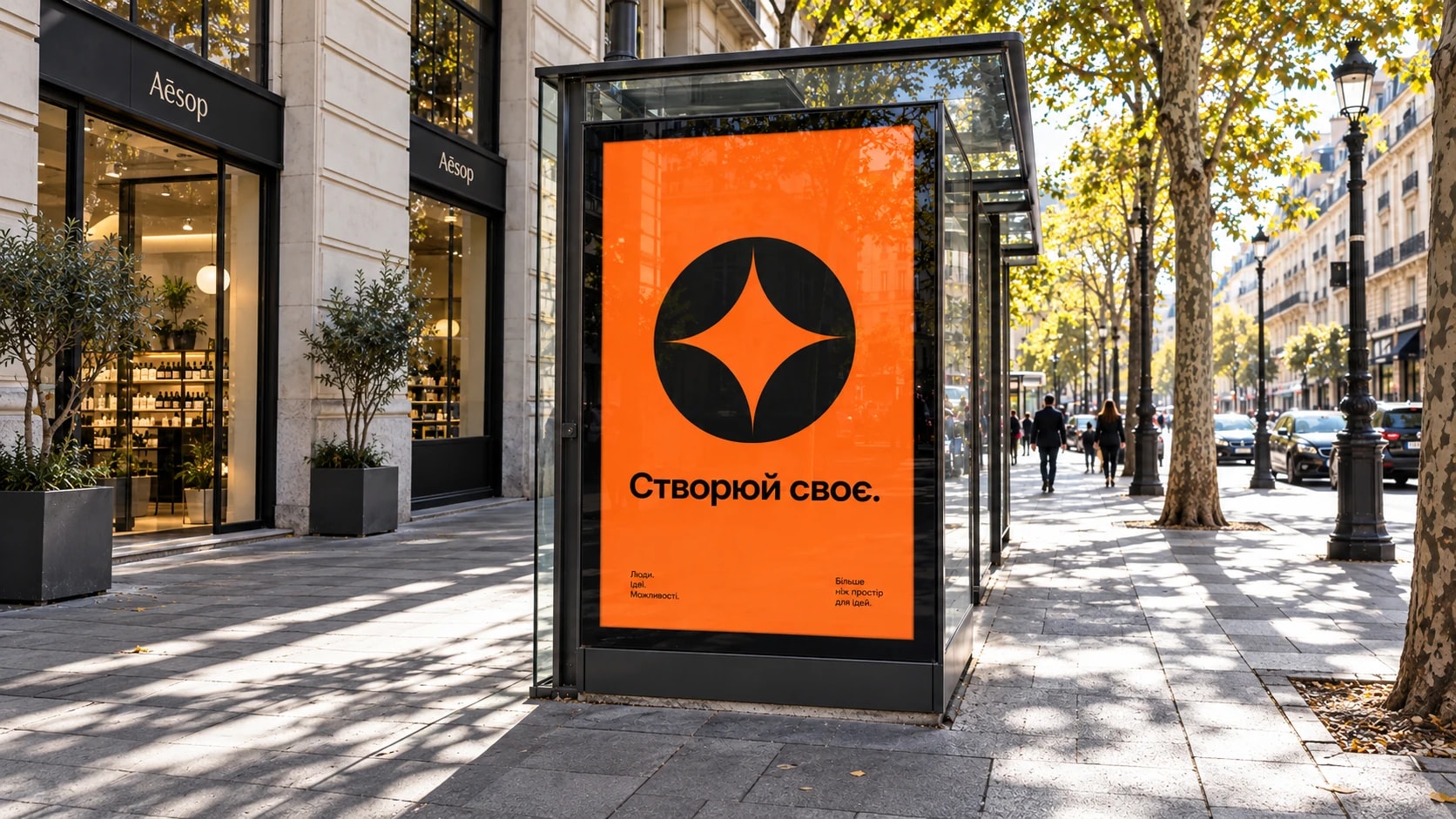
Our brand book cases
The brand book in action.
Rules that work on media and in communication.




How we bring order to a brand
01
We immerse ourselves in the brand
We study the business, its goals, and its current identity.
1 day02
We research the niche
We analyze competitors, market trends, and audience needs.
2-3 days03
We organize the system
We remove contradictions and complete the missing identity elements.
2-5 days04
We set the rules
We describe how to use the logo, colors, fonts, graphics, and other brand elements.
3-7 days05
We test
We check the brand book on different media and in different contexts.
1-2 days06
We prepare the brand for launch
We present the brand book, hand over the files, and explain how to use the system.
1-2 daysWhy choose ZOND
We create strong identity
We build a style that conveys the brand's character, sets it apart from competitors, and sticks in memory.
We build a working tool
You get a brand book your team actually uses, not one that gathers dust in a folder.
We speak plain language
We write the document so that a marketer, a manager, and a contractor can all find their way around it.
We don't work from templates
Every brand book is built around your business, not around a ready-made structure.
Why ZOND and not a generator or a freelancer?
| Criterion | ZOND | Freelancer | Generator (AI) |
|---|---|---|---|
| Team | Art director, brand designer, strategist | One person | An algorithm |
| What the solution is based on | Market research and brand DNA | The designer's own vision | A prompt |
| Result | A clear brand system with rules | A set of explanations without a single standard | Random instructions with no meaning |
Reviews
Real client testimonials from completed ZOND projects.
Digital Residence
Thank you to the ZOND team for working with us on the full brand book, graphic design, and presentation for Digital Residence. It was important that the brand look consistent — from core identity rules to everyday communication materials — so we treated these tasks as one system, not separate design deliverables. We appreciate the team’s attention to our brand and their contribution to how it is represented visually.
Revaz RusadzeHead of Marketing · Digital Residence
ALTEP
Thank you, ZOND, for the full brand book, graphic design, and presentation for Altep. Throughout the project we focused on how the company presents itself to clients and partners and how to apply its visual identity consistently. The brand book, presentation, and other materials are parts of one communication system for us. We are grateful for the team’s attention to these tasks and to the brand’s visual expression.
NikitaBusiness development manager · ALTEP
Prydniprovsk Plant
Thank you to the ZOND team for the full brand book, graphic design, and website for Prydniprovsk Corrugated Plant. The goal was to present the company consistently online and across all corporate materials. It was important to connect identity rules with practical use. We appreciate the collaboration and the contribution to the plant’s visual communication.
OleksandrOwner · Prydniprovsk Plant
NOVO development
Thank you, ZOND, for the logo, brand book, and identity for NOVO development. In real estate it is essential that a brand inspire trust and look consistent across materials. The team approached this holistically, and we received a coherent system that is practical to use.
Denys ArtiukhNOVO development
It's time to turn your brand into a system
Fill out the form, and we will develop a brand book that makes everyone who works with your brand follow the same rules.
FAQ
What is a brand book, and why does a business need one?
A brand book is a document that collects the rules for using the logo, colors, fonts, graphics, and other brand elements. It keeps the style consistent at every point of contact with customers, no matter who creates the advertising, website, print materials, or content.
What are the main sections and elements of a brand book?
A brand book includes rules for using the logo, the brand palette, fonts, graphic elements, and other identity elements.
What are the stages of brand book development?
Brand book development starts with an analysis of the business, the market, and the target audience. Next, the identity is created or completed, and the rules for using it are described. After that, the brand book is tested and prepared for handover to the client.
How much does a brand book cost, and what affects the price?
The approximate cost is UAH 35,000-150,000. The final estimate depends on the scope of the task and the agreed list of work.
When does a company need a brand book, and when can it do without one?
A brand book is a must when a company is scaling, entering new markets, updating its style, or bringing in new contractors. Startups still testing their hypotheses and companies with an unchanging local product can do without one.
What are the typical mistakes in creating a brand book, and how do you avoid them?
The most common mistakes are copying other people's solutions, overloading the document with unnecessary information, or, on the contrary, leaving out clear rules for using the identity. A good brand book should be clear, practical, and made for the real tasks of a specific business.
How is a brand book different from a logobook, a guidebook, or a corporate identity?
A logobook describes the rules for using the logo. A guidebook, or brand guide, is a document with the rules for using the company's corporate identity. A corporate identity is the set of the brand's visual elements. A brand book brings all of this together in one document.
How do you make sure a brand book is used well once it is created?
Once created, the brand book should become the main document for everyone who works with the brand. It is important to use it when creating advertising, the website, print materials, presentations, packaging, and any other materials.
Related services
Learn more
What a brand book includes and how it differs from a logobook
People often mix up the terms brand book and logobook. In fact, these are two different documents that solve different tasks.
A logobook is a narrow guide devoted to the company logo and the rules for using it. It records all versions of the logo, the brand colors, minimum sizes, the clear space, and examples of correct use.
A brand book includes everything a logobook has, but goes further. It also covers:
- the font and typography system;
- rules for using graphic elements;
- design rules for key media;
- ready-made templates or layouts for media.
In other words, a brand book is a complete system of rules that helps a company keep one style and stay recognizable at every point of contact with customers.
Why a business needs a brand book
Imagine there are only a few days left before a new product launch. The website is almost ready, the ads are set up, the packaging is at the printer. And then it turns out that the box carries the old logo, the ad creatives use a different font, and the printer missed the brand color. Everyone did their part of the work, but the brand never came together as a whole.
These are exactly the problems a brand book solves. It becomes the single source of rules for everyone who works with the brand. The team no longer wastes time arguing about colors, fonts, or ad design, and contractors don't ask dozens of clarifying questions before they start.
What affects the cost of a brand book
Every business has its own tasks, so the contents of a brand book can vary a lot, and so can the cost of developing it. That is why at ZOND the price is calculated for each project. When we estimate it, we take into account:
- how deeply we need to analyze the market, competitors, target audience, and brand positioning;
- how many concepts we need to prepare for you to choose from;
- how much identity work and how many media need to be covered;
- how many revision rounds the project includes.
The price of a brand book also depends on how urgently it needs to be prepared and presented.
How to use a brand book inside the company
A brand book is not made to be looked through once and filed away. It is a working tool the team turns to every time it creates a new point of contact with customers.
Marketers use it before launching ad campaigns to keep the creatives in one style. Designers rely on the brand book when they make banners, presentations, or print materials. SMM specialists take the rules for posts and stories from it, and printers take the exact color codes, spacing, and vector versions of the logo.
For a brand book to really work, its current version must be available to every employee and contractor who works with the brand.
Services often combined with a brand book
A brand book does not create a brand from scratch. It gathers decisions that have already been made into one system and explains how to use them correctly. So before starting, it is important to understand whether the business already has a ready foundation.
If the company has already defined its positioning and corporate identity but does not yet have a recognizable mark, it makes sense to combine the brand book with logo design. First the logo is created, and then the rules for using it are set down in the brand book.
If the business is starting from scratch, changing direction, or has not yet defined how it differs from competitors, it is better to start with brand development. The brand book is the final stage of that work. It describes the rules for working with the brand, which helps the team keep it consistent after launch.

Let's discuss your project?
Tell us about your business, and we will offer a solution tailored to you.