01
Brand strategy
We research the market, competitors, audience, and business context to define the foundation of the brand.
We create brands with clear positioning, distinctive identity, and a system that works for business goals.
From market research and strategy to naming, logo, visual identity, and a brand book.
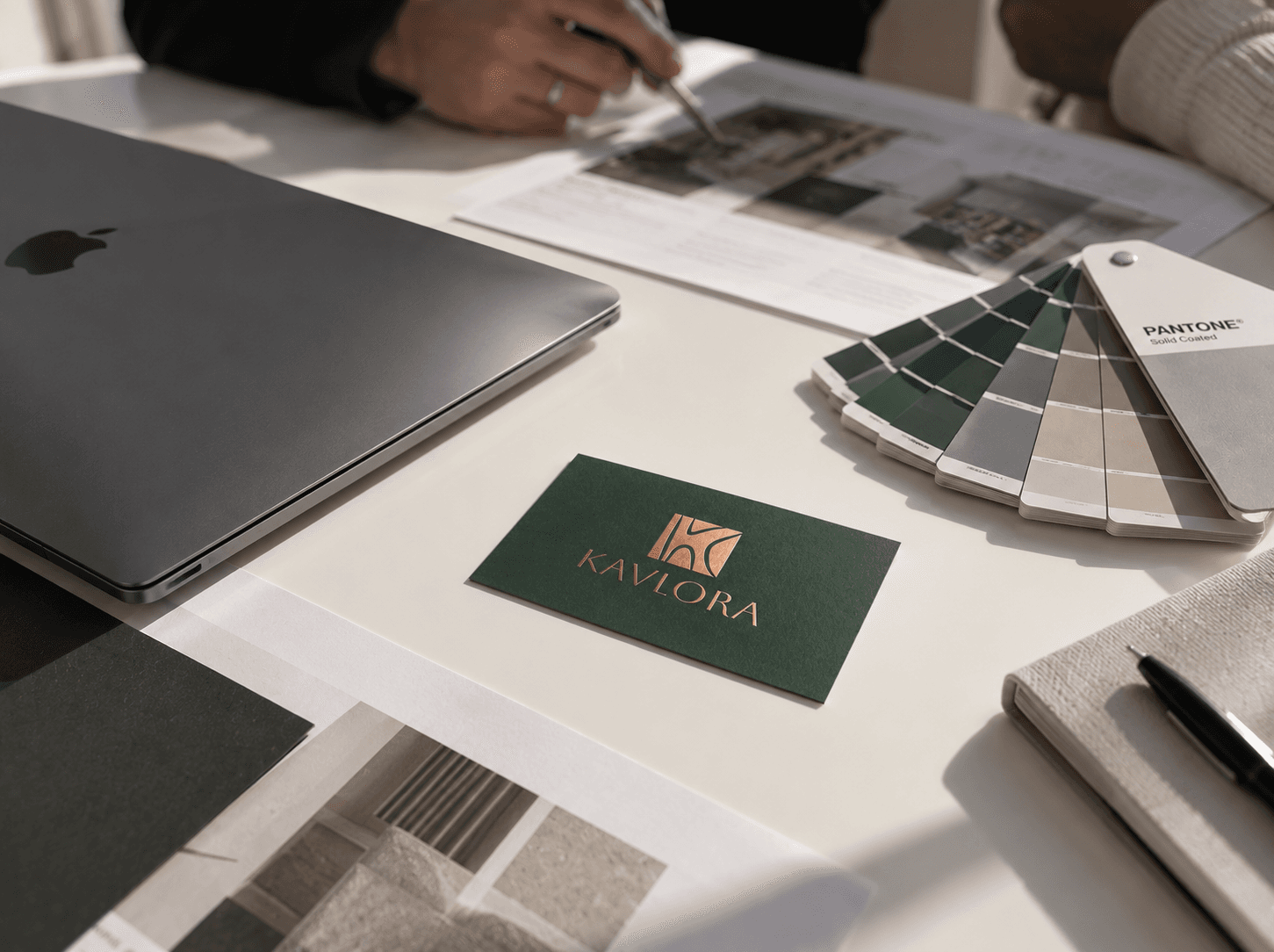
We research the market, competitors, audience, and business context to define the foundation of the brand.

We shape the core idea, value for the audience, character, and differences from competitors.
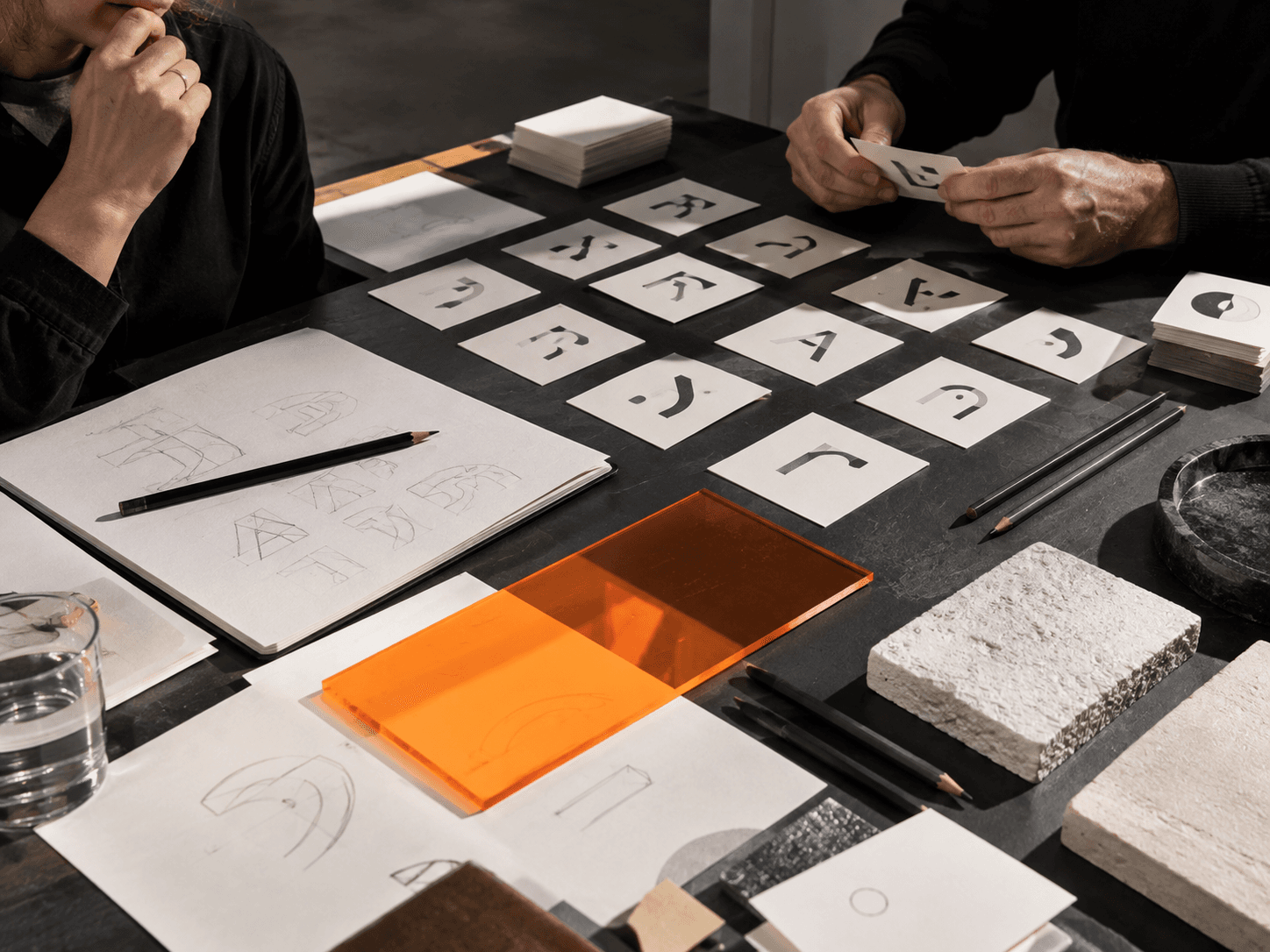
We create a name that matches the positioning, is easy to perceive, and can grow with the business.
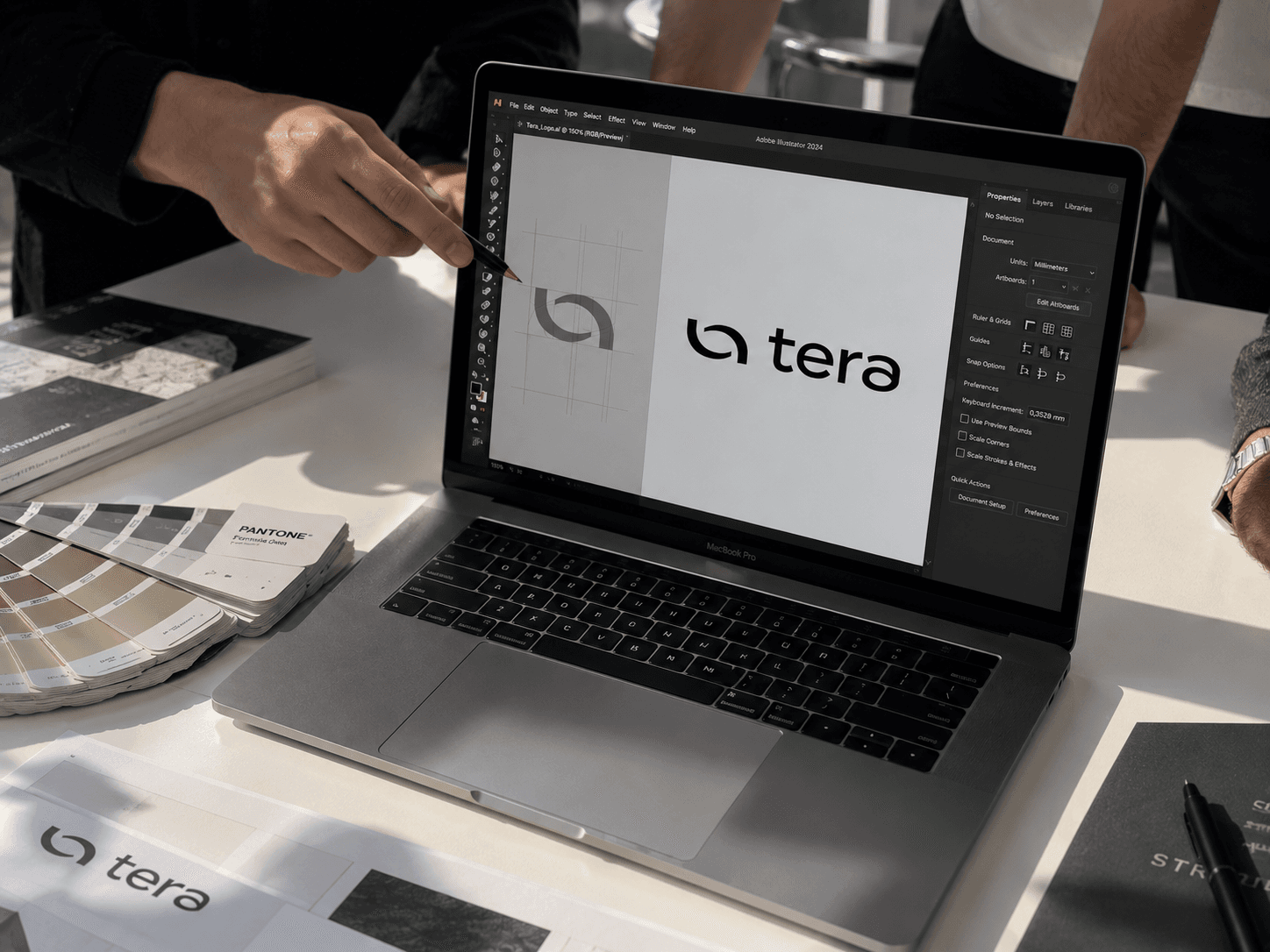
We design a visual mark that reflects the brand character and stays relevant beyond short-term trends.
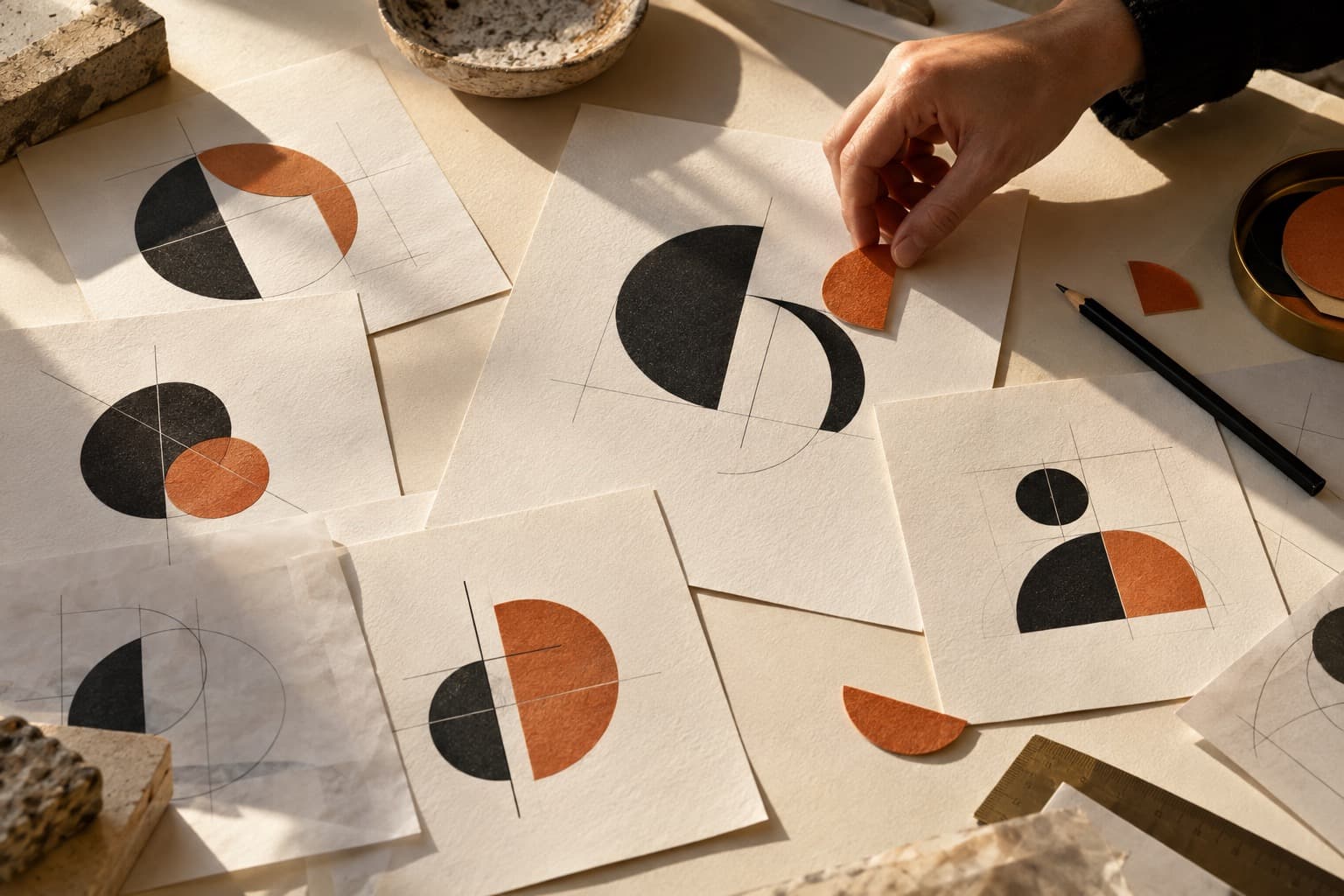
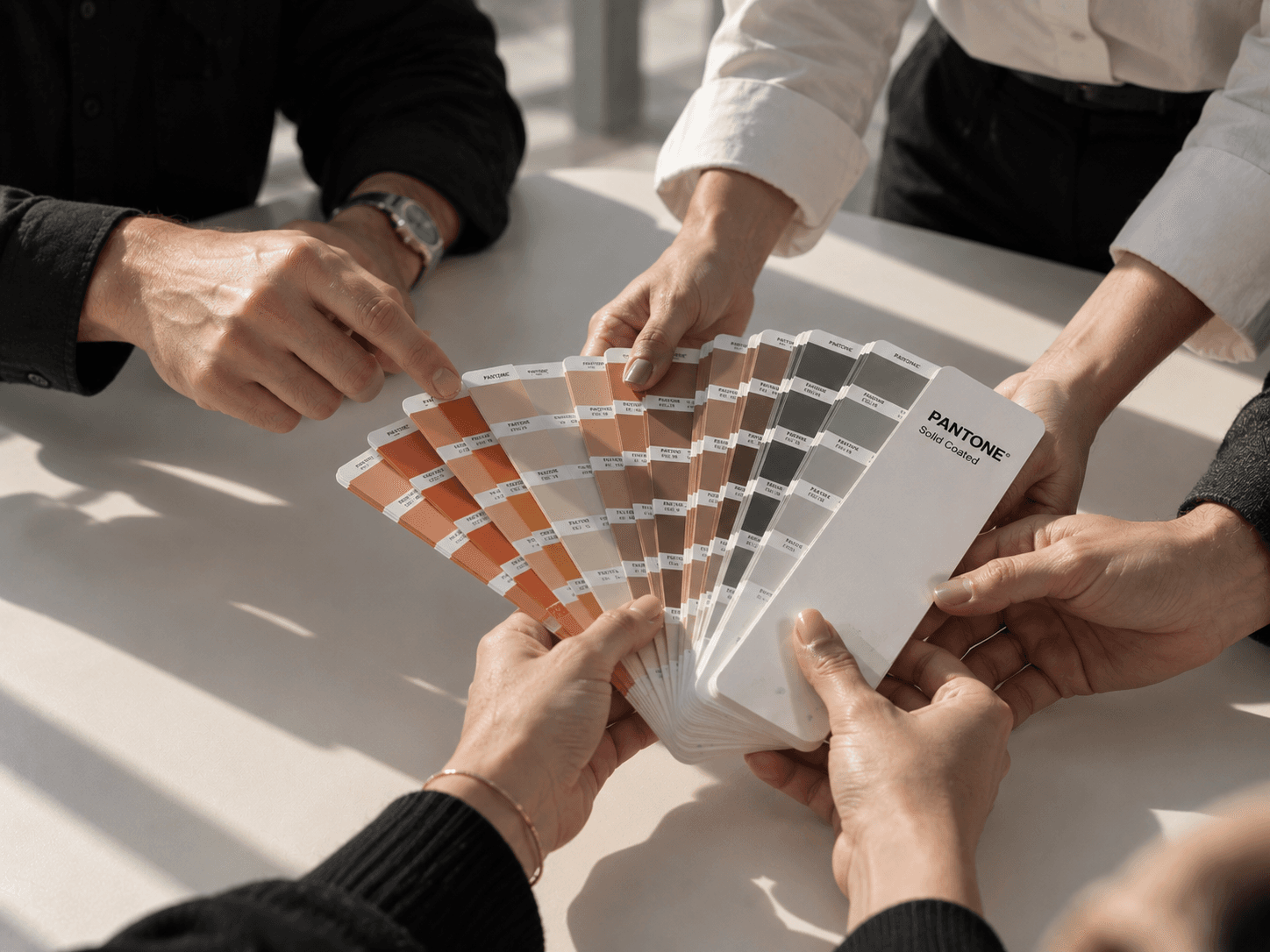
We build a visual system: colors, typography, graphics, composition, photo style, and other brand media.
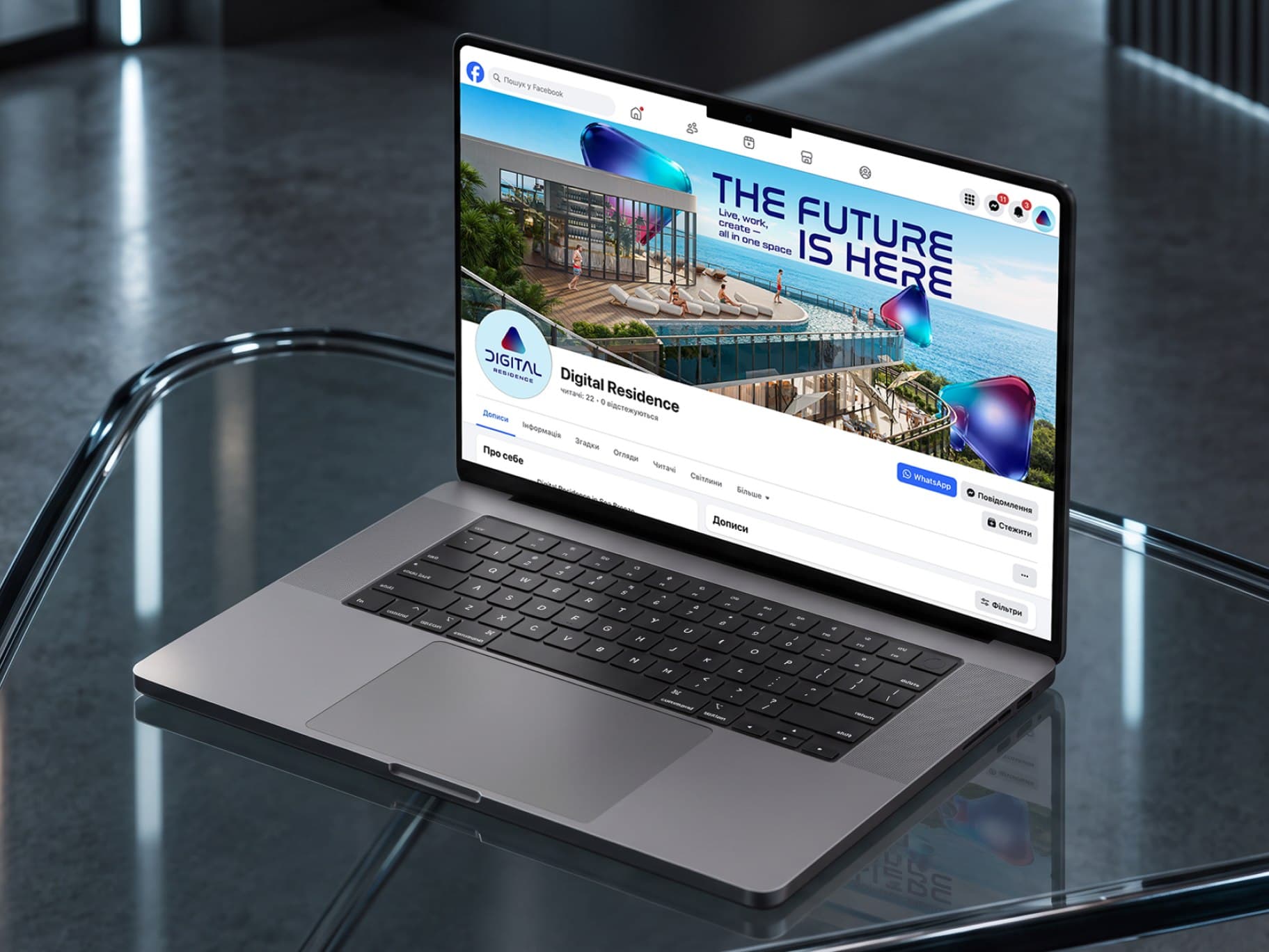
We systematize brand usage rules so communication stays consistent across digital, print, ads, and social.
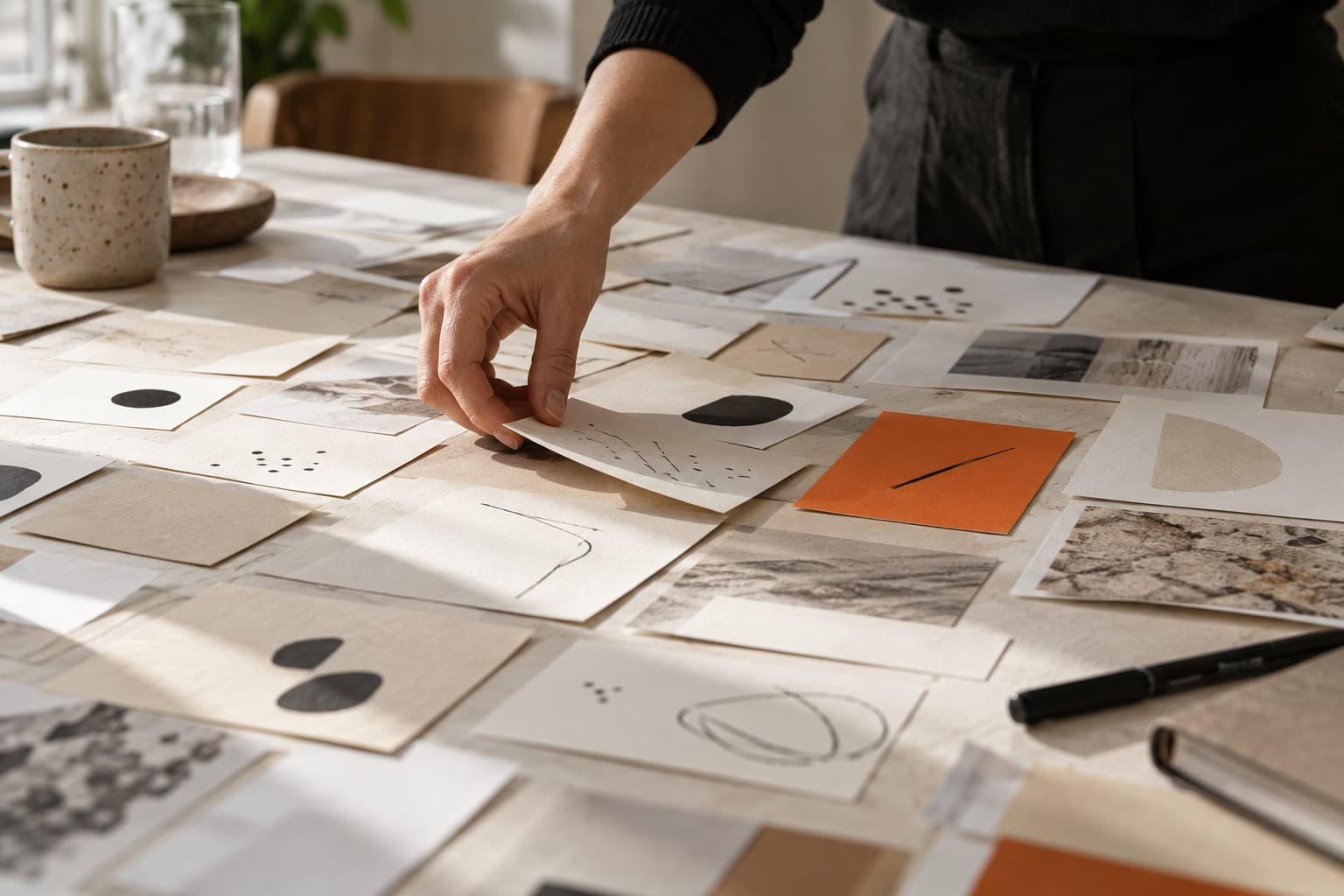
We form messages and communication principles that help the brand speak consistently and recognizably.
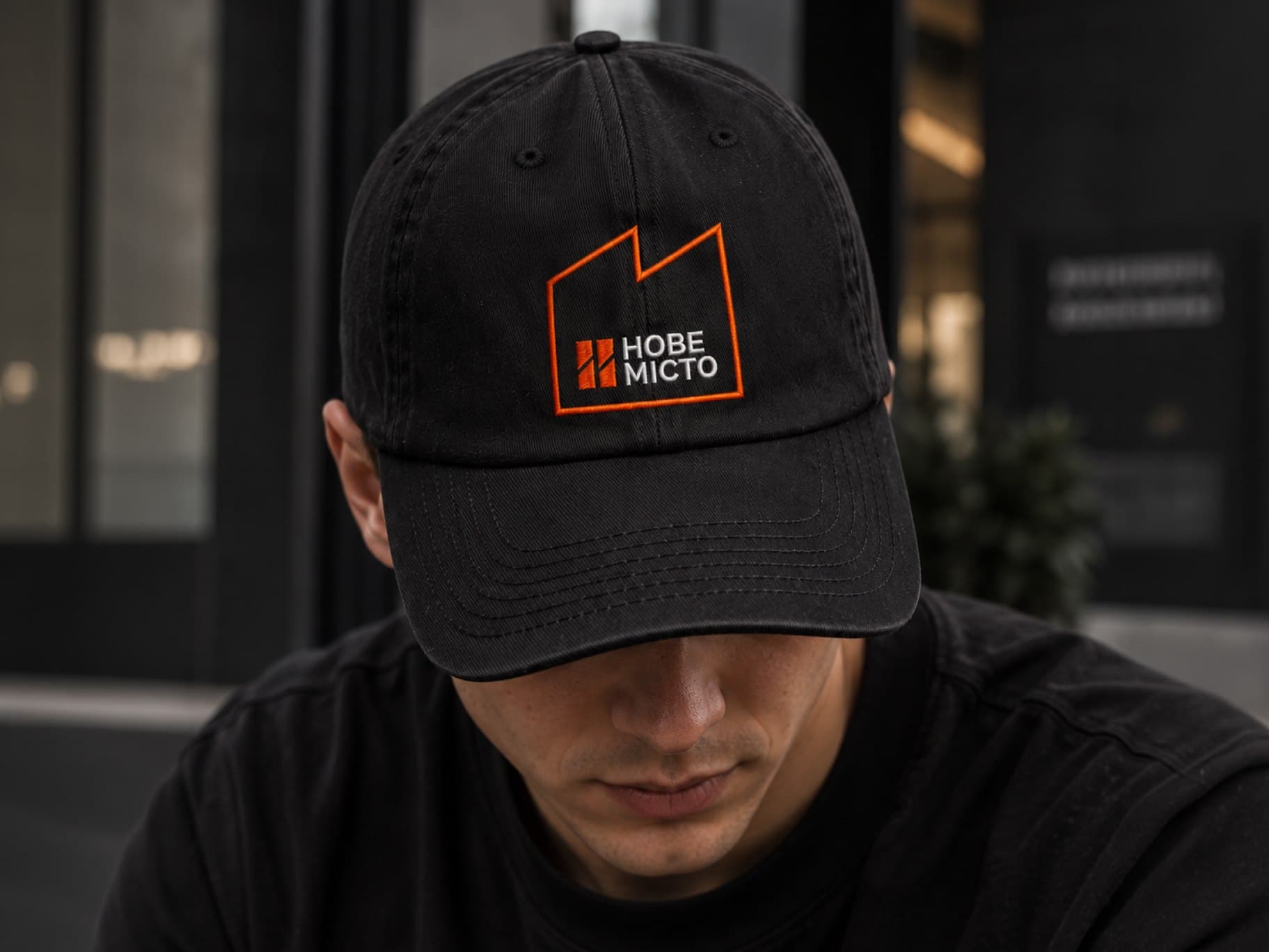
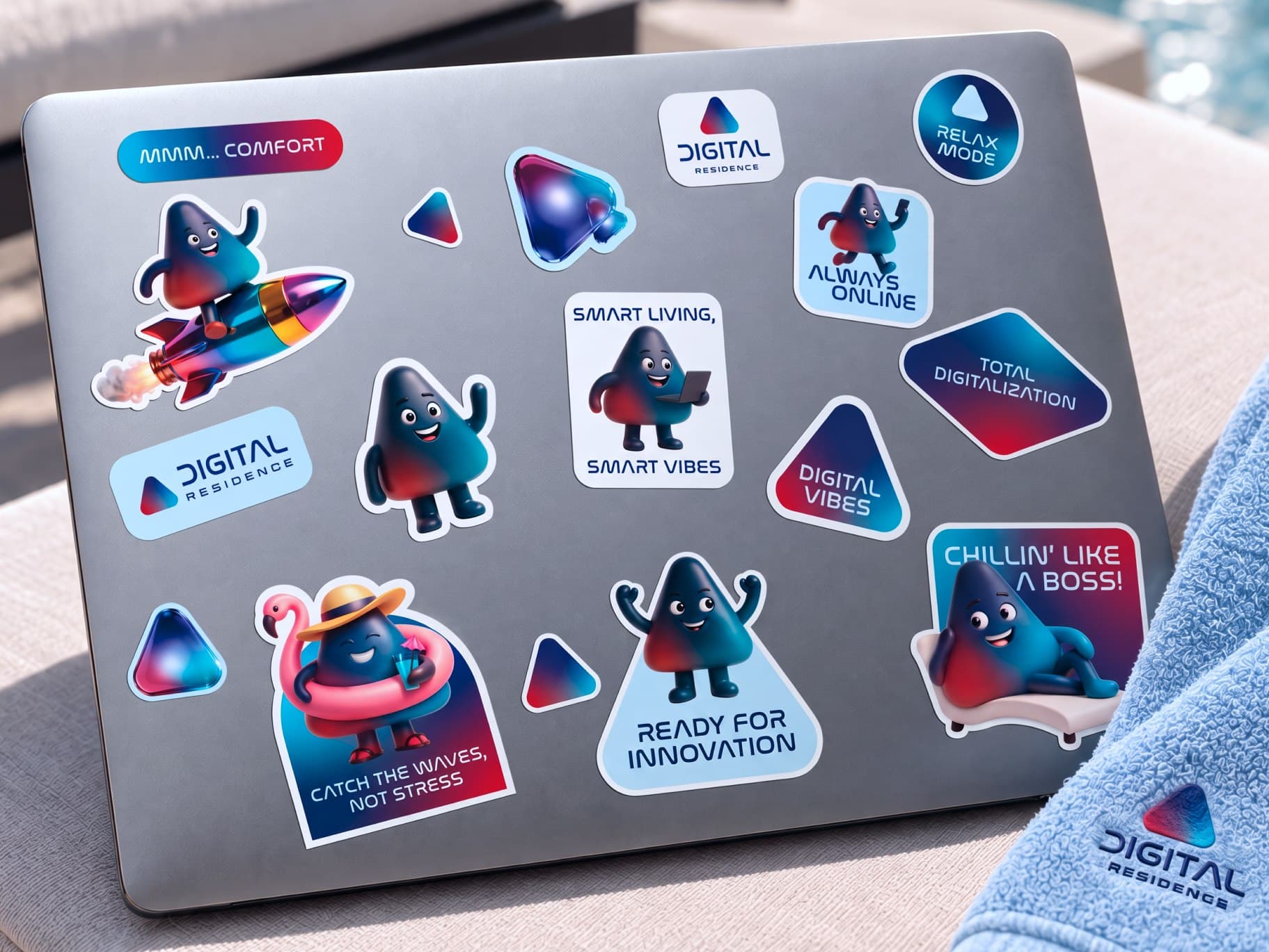
When needed, we create a brand character that adds emotion and a stronger connection with the audience.
We help build a strong foundation before the product enters the market.
We update the brand when the old image no longer matches the business, product, or audience.
We create a separate identity, sub-brand, or a new brand within an existing business.
We systematize the brand before entering new markets, launching new directions, or active growth.
Real client testimonials from completed ZOND projects.
Thank you to the ZOND team for the branding, website, and content work on Kavlora. For us this project was about presenting the brand as a whole — how it looks, what it says, and how it introduces itself online. That meant working not only on individual visual elements but on the substance of communication. We appreciate the team’s contribution and their attention to Kavlora’s character.
Thank you to the ZOND team for working with us on the full brand book, graphic design, and presentation for Digital Residence. It was important that the brand look consistent — from core identity rules to everyday communication materials — so we treated these tasks as one system, not separate design deliverables. We appreciate the team’s attention to our brand and their contribution to how it is represented visually.
Thank you to the ZOND team for the brand book, logo, identity, and brand character for BIT School. We needed a brand that speaks clearly to kids and parents; the character became a distinct layer that adds personality and recognition. We appreciate the systematic approach to the school’s visual identity.
Thank you, ZOND, for the logo, brand book, and identity for NOVO development. In real estate it is essential that a brand inspire trust and look consistent across materials. The team approached this holistically, and we received a coherent system that is practical to use.
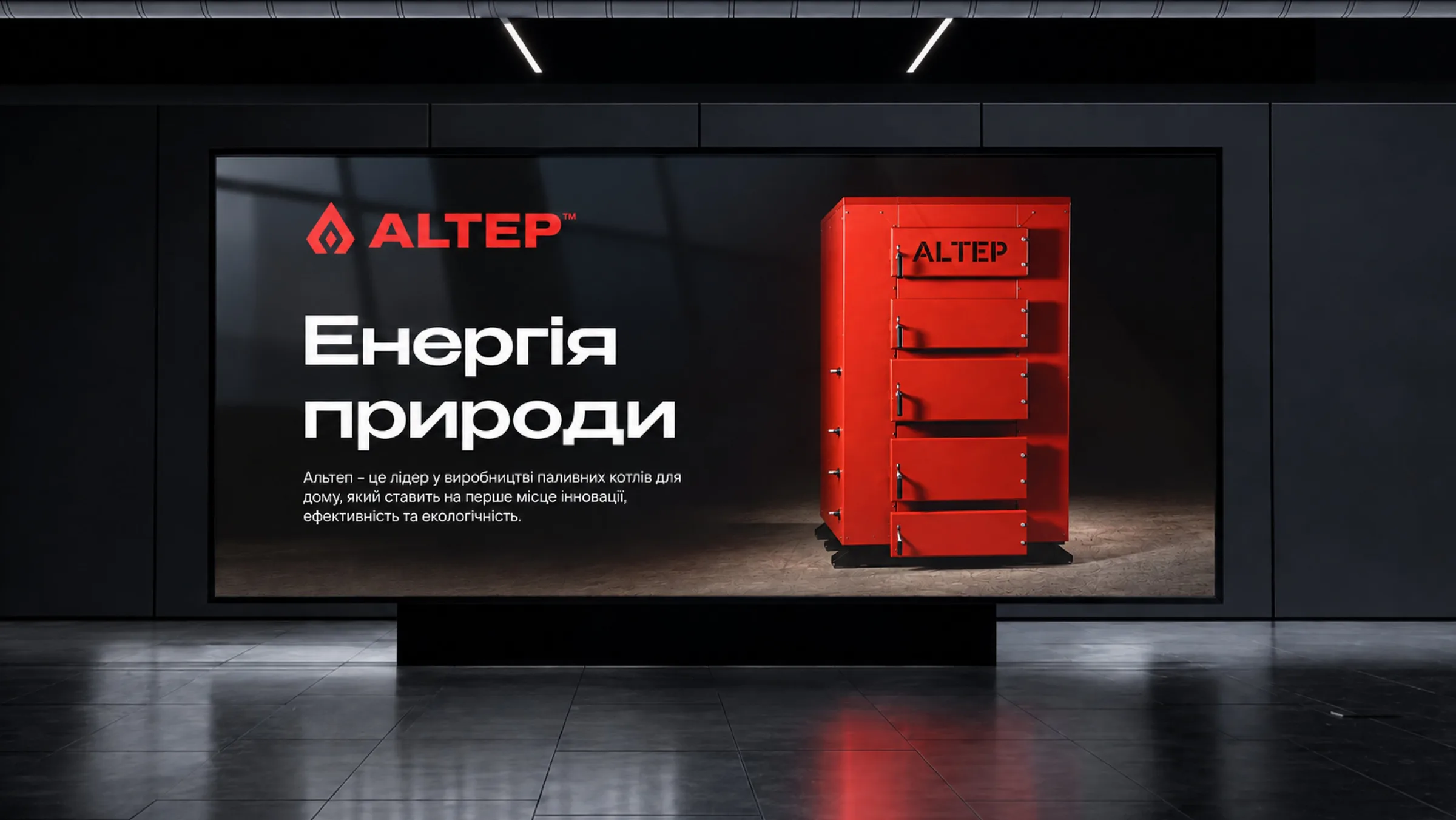
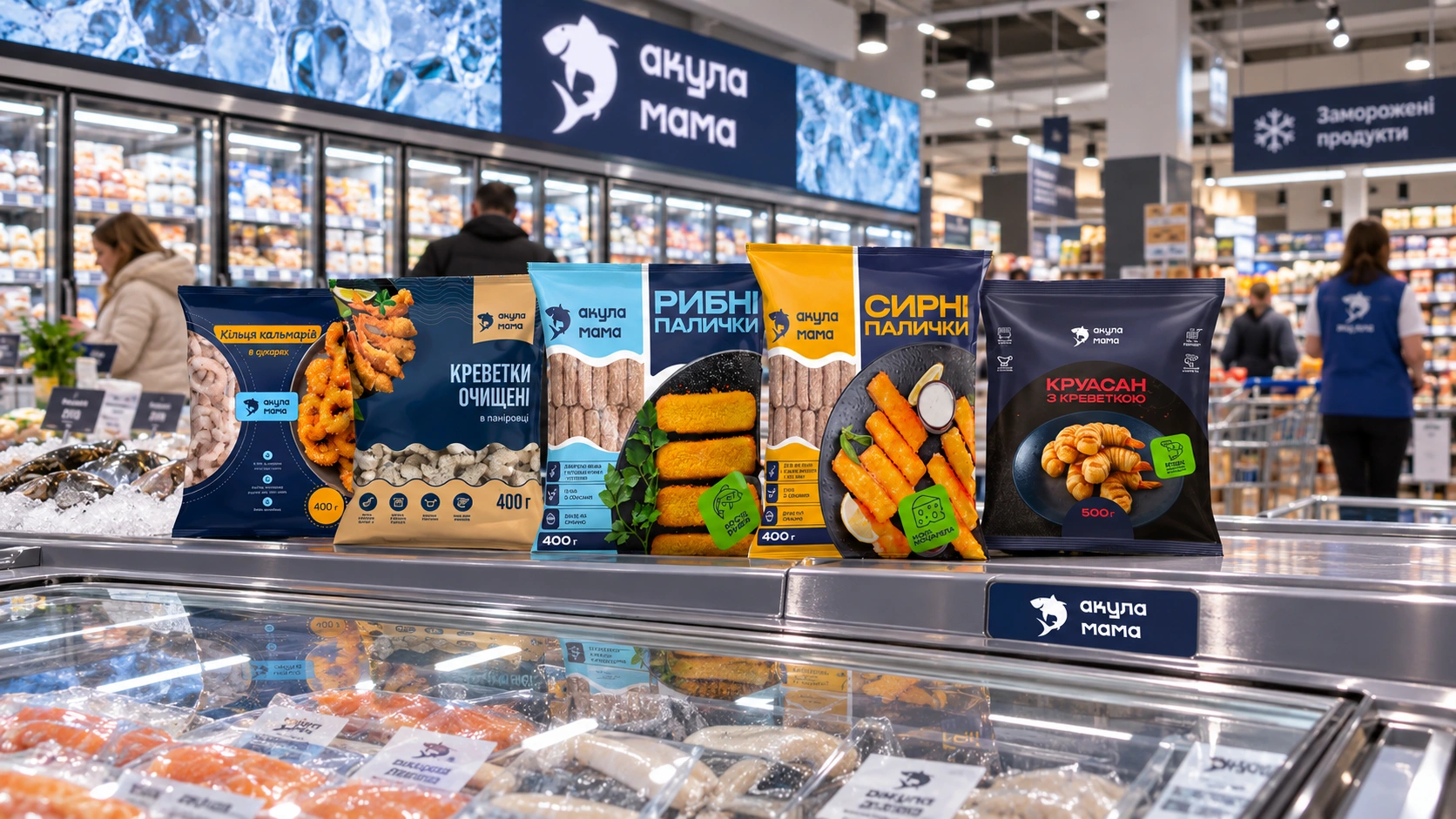
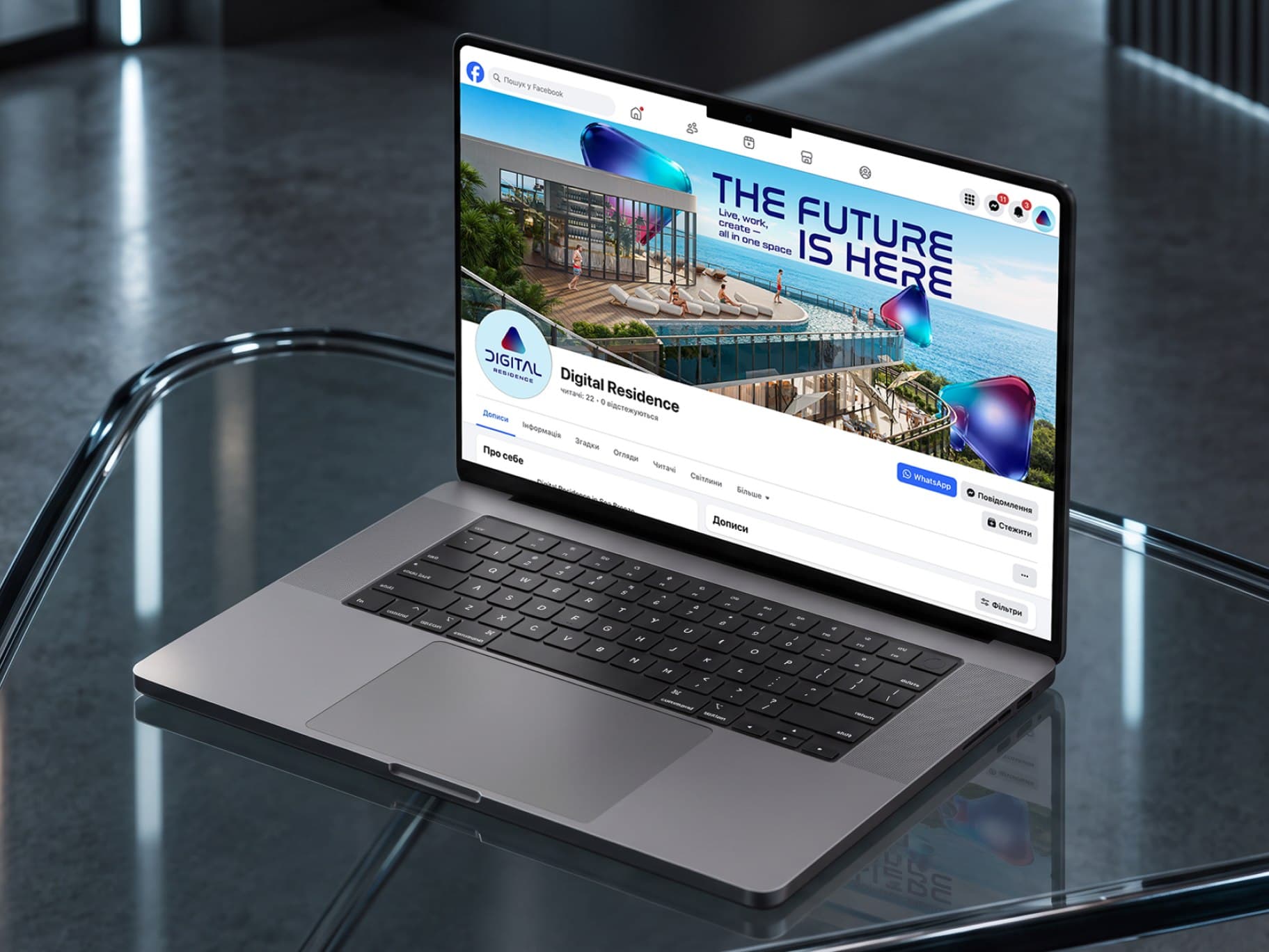
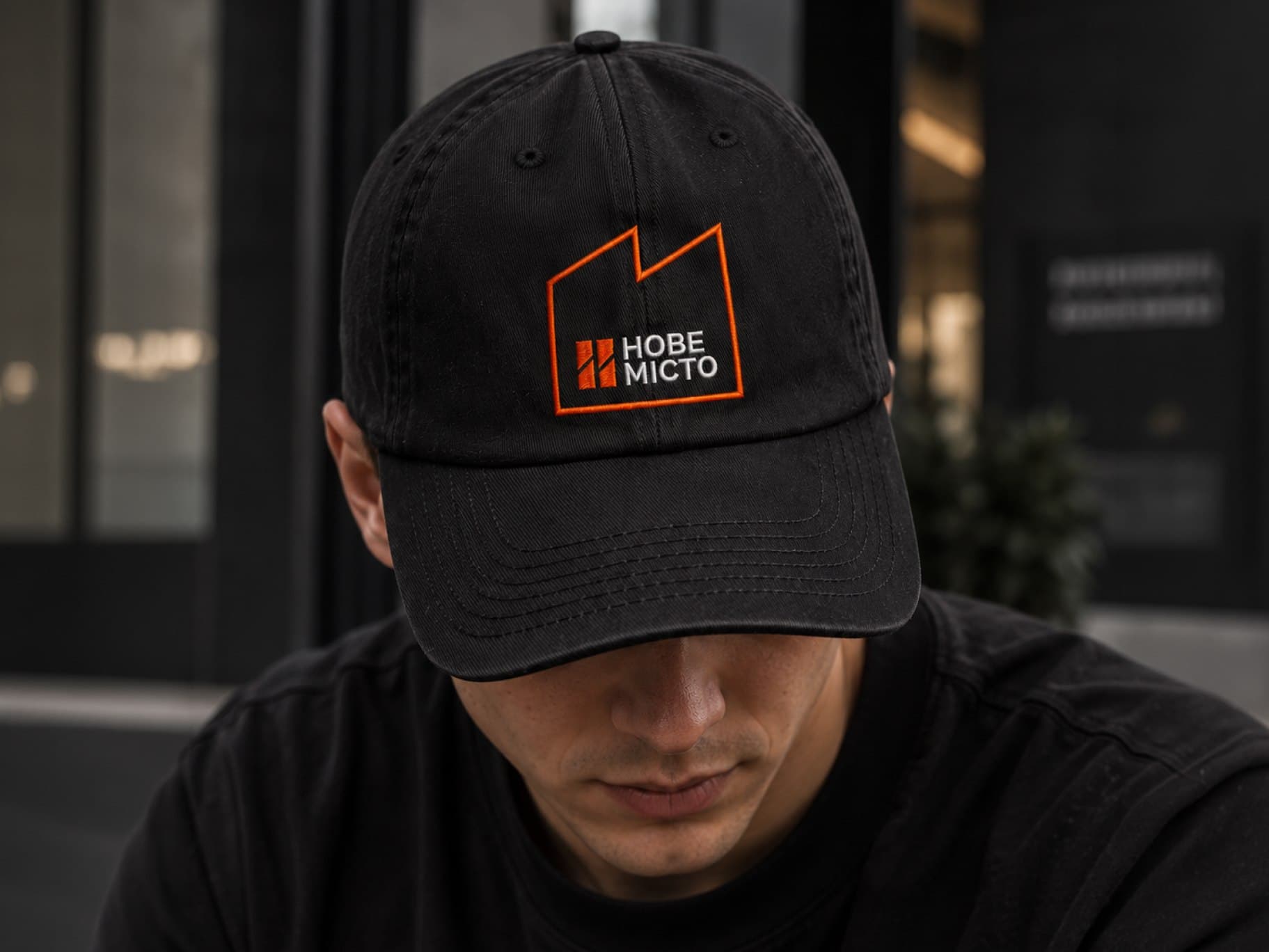
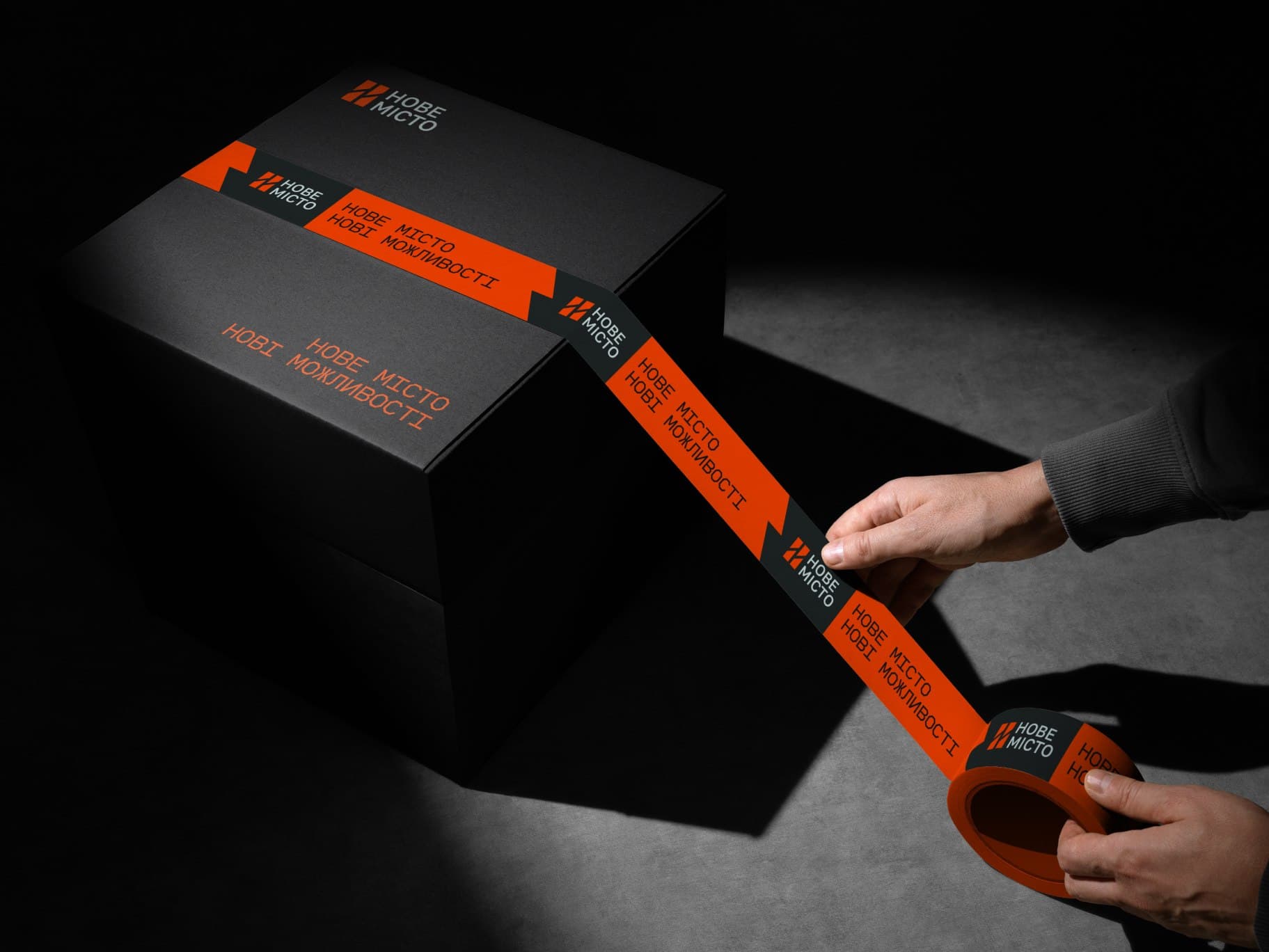
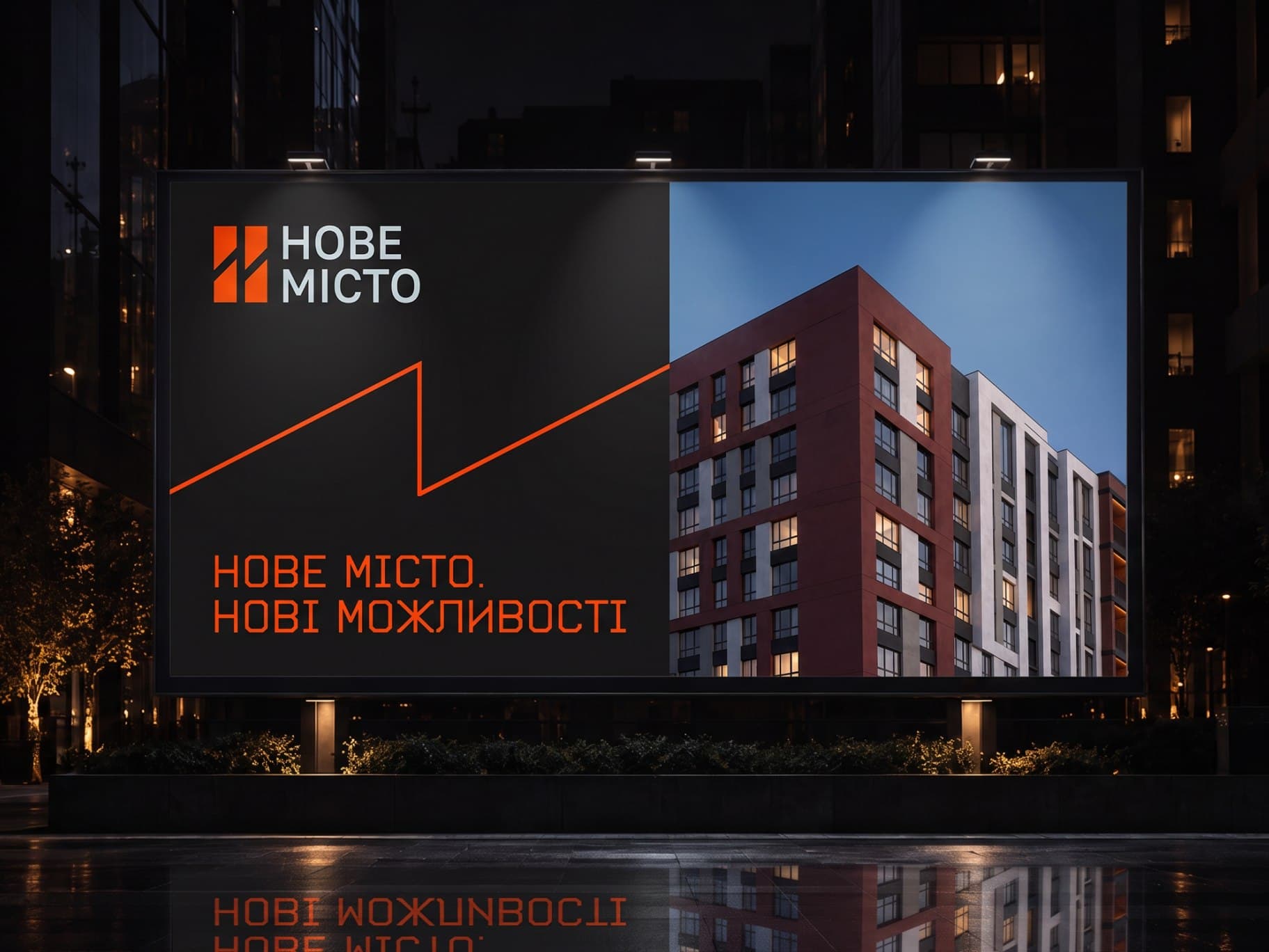
Illustrative concepts of packaging and branded media.

| Criterion | ZOND | Freelance | Template |
|---|---|---|---|
| Approach | For the task and medium | Separate layout | Universal template |
| Print technique | Prepress and support | Not always | None |
| Style | Unified brand system | Author's style | Similar to others |
| Result | Print-ready files | Depends on experience | Needs refinement |
A brand is not what a company says about itself. A brand is what people think and feel when they see its name, logo, or product. It shapes first impressions, affects trust, and often becomes the deciding factor when choosing between two products or services of equal quality.
A strong brand consists of several interconnected elements:
Positioning. Defines the company's place in the market and how it differs from competitors.
Identity. Responsible for visual recognition — logo, colors, fonts, graphics, and other brand elements.
Corporate style. Combines positioning and identity into one system so the brand looks consistent in advertising, on the website, packaging, and social media.
Tone of Voice. Shapes the character and communication style of the brand across social media, advertising, the website, newsletters, and other channels.
Only when all these components work together does a brand become cohesive, recognizable, and consistent. That is when it stops being just a beautiful shell and becomes a full business tool that builds trust, strengthens company value, and supports growth.
A logo, brand book, and brand development are three different things, yet they are often confused. Brand development is a comprehensive process of creating a unique image for a company, product, or service. It combines marketing, design, and psychology to form a recognizable face, stand out among competitors, and build positive associations in consumers' minds.
A logo is only one visual element of a brand — its main mark. A brand book is a document that collects all the rules for using the brand: logo, colors, fonts, graphics, and other elements.
So if you need to create a brand from scratch or rethink an existing one, you should order brand development. If the brand is already formed but you only need to update the logo or systematize usage rules, consider logo design or a brand book.
No two brands are the same, so there can be no fixed price for development. It is calculated individually and depends on the scope and complexity of the tasks. The main factors affecting the price are:
That is why at ZOND branding agency every project is priced individually. You pay only for the tools your business actually needs.
Rebranding is not needed when you are tired of your logo. It is needed when the brand starts holding the business back instead of helping it grow. The company may have grown, changed its product, or entered international markets, yet its image still speaks the language of the past.
You should also consider rebranding if:
It is important to understand that rebranding is not a cosmetic logo update. It is a comprehensive rethink of the brand that helps the business stay relevant, clear to its audience, and competitive in the market.
A full brand development cycle is not needed for every business. If you already have strategy, positioning, and a name, work can start with logo design and build a cohesive visual system from there.
For the new identity to work properly, order a brand book that serves as a clear guide for your team and vendors. If the brand reaches customers through a physical product, complement the project with packaging design.
This comprehensive approach helps make the brand recognizable, consistent, and equally strong at every touchpoint with the audience.
The cost depends on the scale of the task and the scope of work. One project may need identity and a brand book; another may need research, strategy, positioning, naming, communication, and a full set of media.
After we get to know the project, we form the right scope and estimate.
The timeline depends on the project scope. Comprehensive branding includes several stages: research, strategy, concept, identity development, and the final system.
A logo is only one element of a brand.
Branding covers positioning, character, communication, the visual system, and the rules by which the brand meets its audience.
Yes. The scope of work is defined by the task and the current state of the brand.
Yes. We can update separate elements of an existing brand or fully revisit its positioning and visual system.
Yes. The branding process can run fully online, so we can work with teams and companies from different countries.

Tell us about your business, and we will offer a solution tailored to you.