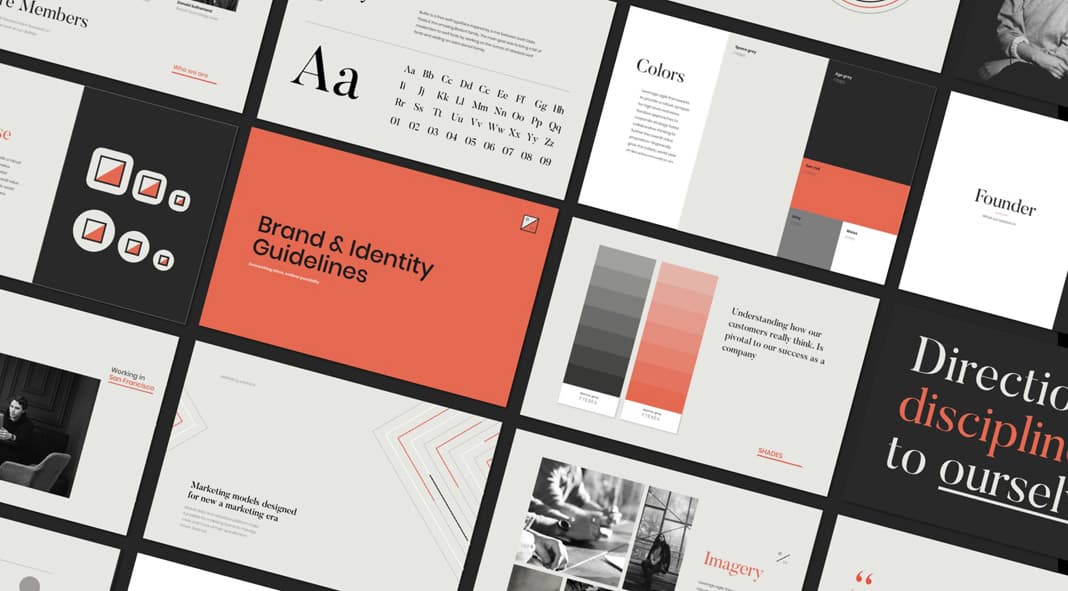
Design and marketing are not parallel worlds, but two-half of the only mechanism that runs the perception of a brand forms the first impression and affects customer decisions. They can exist separately, but only together give the result that business works. A successful marketing strategy without design is like a good idea without visual manifestation: it remains in theory, without the power to engage, to convince. And vice versa, the most stylish design without marketing meaning is just a beautiful picture that doesn't cause actions, not sells, and doesn't work for whole companies.
The marketing forms the messiah, the study of the audience, builds communication, understands needs, and seeks to find ways of influence. He answers the question "what to say" and "to whom to say." Design in this system corresponds to the question "what to say." It translates ideas into emotion, methesji -- shape, word -- in visual accent. It's design that helps to make a marketing message clear, clear and attractive. He gives shape to the mind and the face of a brand. In a world where the user makes decisions in seconds, visual perception is often crucial.
It's impossible to sell a product that looks unprofessional or doesn't create trust. And in the same way, you can't keep an eye on the bright wrapper if there's no meaning, logic or benefit for the customer. Design increases marketing, and marketing fills design with content. Their relationship is not a question of style or convenience, it's the basis of effective interaction with the audience. When a company builds a strategy in which design and marketing work is broken, it creates not just product or service, but an experience that is remembered and stimulated.
So if business wants not only to be noticeable, but also convincing, design and marketing should go on top of it. Ignoring one of the elements gives you a loss of potential. In combination, they can transform communication into a tool of growth, effect and trust.